
Experience Real Casino Action With Live Dealer Games
A player sits at a blackjack table in their living room, watching a real card dealer shuffle and deal through a high-definition video stream. This is a live dealer casino, which broadcasts real-time table games like roulette and baccarat from a professional studio. Players place bets through an on-screen interface and interact with the dealer and other participants via chat, blending the convenience of online play with an authentic casino atmosphere.
The Human Touch in Digital Gaming
In live dealer casino, the human touch transforms digital gaming by bridging the gap between virtual play and real-world interaction. Unlike standard games, a live dealer reads the table’s energy, offering spontaneous chat or a knowing smile that personalizes each round without scripting. To leverage this, focus on dealers who engage the camera directly—their eye contact and verbal cues create trust, turning a passive experience into a collaborative one. For example, a dealer’s casual acknowledgment of a streak or a shared laugh during a slow bet can anchor your focus, mimicking the rapport of a physical casino. Always select tables where the croupier’s personality aligns with your play style; their subtle human elements—like pacing chips or banter—are what keep digital sessions feeling authentic and less mechanical.
Why Real-Time Streaming Transforms Online Play
Real-time streaming erases the divide between digital convenience and physical presence. By transmitting live video with minimal latency, it enables players to observe every card shuffle and roulette spin as it happens, directly from a physical studio. This technical immediacy transforms a solitary activity into a shared experience, as dealers react to bets and outcomes in the same moment players do. The resulting authentic human interaction restores trust, eliminating the suspicion of random-number generators. It also allows subtle social cues—a dealer’s nod, a croupier’s pause—to guide play, replicating the responsive tension of a brick-and-mortar floor.
Real-time streaming transforms online play by synchronizing digital action with human reaction, creating a trustworthy, socially rich environment that mirrors a physical casino’s dynamic flow.
Key Differences From Automated Table Games
In live dealer casinos, the primary difference from automated table games is the elimination of RNG-based outcomes. Here, a physical deck or wheel, manipulated by a human, replaces the algorithm, so results are governed by tactile reality, not code. You witness the shuffle, the deal, and the spin in real-time via video stream, removing the abstraction of a virtual interface. This also introduces pacing controlled by the dealer, not a server clock, preventing the rapid-fire, impersonal rhythm of auto-play. The human element introduces subtle variables—dealer speed, card handling—absent from sterile digital tables.
Live dealer games replace automated Random Number Generators with physical equipment and human interaction, changing pacing from machine-driven to dealer-controlled.
Building Trust Through Visible Card Shuffles
Visible card shuffles are the bedrock of trust in live dealer games, transforming a digital transaction into a tangible ritual. Players watch real dealers physically mix decks under clear cameras, proving every hand’s randomness. This transparency follows a powerful sequence:
- The dealer reveals a fresh deck for inspection.
- They execute multiple, sweeping shuffle techniques, like the strip and riffle, in full view.
- The cut is performed openly, often by a player via interface.
This visible process erases any doubt about digital interference, making the outcome feel impartial and earned. You see the integrity happen, which is key for immersion and psychological buy-in.
Game Variety Beyond the Felt
The concept of Game Variety Beyond the Felt in a live dealer casino transforms the traditional experience by offering more than just blackjack and roulette. Players can now enjoy live game show-style formats like Dream Catcher or Monopoly Live, which blend wheel-spinning with interactive features. You might also find niche options such as live Sic Bo, Dragon Tiger, or dedicated poker variants like Casino Hold’em, all streamed from a professional studio. This diversity allows you to switch from a fast-paced card game to a lighthearted spin show without leaving your seat. The key is that every title still features a real human dealer, maintaining the authentic casino atmosphere while expanding your choices significantly.
Classic Tables Reimagined
Classic Tables Reimagined in live dealer casinos often present blackjack with side bets like Perfect Pairs, transforming the traditional 3:2 payout structure into high-variance options. Similarly, roulette variants such as Lightning Roulette inject random multipliers into standard gameplay, altering probability calculations. Baccarat may feature Lucky 6 or Dragon Bonus, introducing enhanced payout opportunities without changing core rules. These reimagined tables require adjusted betting strategies, as house edges shift—Player should analyze altered risk-reward ratios before engaging. Each modification directly impacts decision-making, offering familiar frameworks with novel, calculated risks.
Innovative Twists on Blackjack and Roulette
Beyond standard rules, live dealer tables now feature innovative blackjack and roulette twists that boost engagement. In Blackjack, “Perfect Pairs” and “21+3” side bets let you win on your first two cards alone, while “Infinite Blackjack” removes seat limits. For Roulette, “Lightning Roulette” adds random multiplier boosts to specific numbers, turning a straight-up win into a massive payout. “Double Ball Roulette” uses two balls simultaneously, creating unique betting opportunities. These variations keep the classic games fresh without losing their core appeal.
Q: Do these twists change the basic odds too much?
A: Not drastically—the core gameplay remains the same, but side bets and multipliers offer higher variance for more exciting sessions.
The Rise of Game Show-Style Experiences
Game show-style experiences within live dealer casinos expand player engagement by injecting interactive decision-making into familiar broadcast formats. Unlike traditional card games, these experiences rely on prize wheels or dice for outcomes, often allowing participants to influence payout multipliers through sequential choices. The host’s role shifts from card dealer to energetic presenter, driving a pace that mimics television programs. This format appeals by reducing the learning curve while retaining live authenticity, as seen in titles like Dream Catcher or Monopoly Live. Players typically select from multiple bet segments on a virtual board, with each round resolving through physical wheel spins or dice rolls operated by the dealer.
| Aspect | Traditional Live Dealer Tables | Game Show-Style Experiences |
|---|---|---|
| Primary mechanic | Cards or roulette spin | Wheel or dice with bonus rounds |
| Player choice | Bet on numbers/hands | Select multiplier segments or paths |
| Host role | Cards dealer | Show presenter |
| Round speed | Moderate (30–60 sec) | Faster (15–30 sec) with animated transitions |
Behind the Studio Cameras
Behind the studio cameras, a live dealer casino operates through a meticulously arranged multi-camera setup. Each camera angle is strategically positioned to capture the dealer, the table, and the shuffling shoe with no blind spots, ensuring players see every action from multiple perspectives in real time. A director in the control room seamlessly switches feeds, zooming in on the card values or the roulette ball’s final bounce without delay. This technical choreography eliminates any chance of unseen manipulation, as the visual stream is unedited and continuous.
Players benefit from this transparency because the human dealer’s physical actions, like dealing or spinning, are always fully visible through these calibrated lenses.
Optical sensors and RFID chips synchronize with the camera feeds to confirm game outcomes directly on screen, so the user sees both the physical act and the digital verification occur simultaneously.
Technology Powering High-Definition Streams
High-definition streams in live dealer casinos rely on multi-camera 4K HDR rigs positioned at precise angles to eliminate blind spots. Each table uses optical fiber or bonded cellular modems to transmit uncompressed video to encoding servers. These servers apply low-latency compression, typically H.265, to balance clarity with bandwidth. The real-time synchronization of multiple camera feeds with table data demands sub-10ms latency from capture to broadcast. The workflow follows a strict sequence:
- Raw 4K footage is captured from overhead, chip-spotting, and face-cams.
- Video is frame-synced with RNG card shuffle data.
- Encoded streams are routed through CDNs optimized for live casino jitter tolerance.
The Role of Professional Croupiers
Professional croupiers serve as the human anchor in live dealer casinos, translating digital commands into tangible table action. Their practiced hands manage card shuffles, wheel spins, and chip payouts with meticulous precision, ensuring every round meets rigorous fairness standards. Beyond mechanics, they foster player engagement through witty banter and calm demeanor, replicating the social pulse of a brick-and-mortar floor. This personal connection builds trust, making live croupier interaction a key differentiator from automated games. Their training in game flow and counting protocols maintains uninterrupted play, directly enhancing user immersion.
Professional croupiers are the pivotal human element that bridges digital convenience with authentic casino atmosphere, guaranteeing trust and entertainment.
Multiple Camera Angles and Slow-Motion Replays
Multiple camera angles in live dealer casinos offer players discrete perspectives, such as a close-up on the felt or a wide shot of the entire table, which eliminates visual ambiguity during card reveals. Slow-motion replays then allow bettors to scrutinize pivotal moments, verifying the dealer’s hand placement or ball drop trajectory frame by frame. This forensic detail confirms that the outcome was not rushed or subject to human error, reinforcing trust in the broadcast. Together, these tools transform passive viewing into an interactive verification process, where high-definition replay analysis becomes the user’s primary tool for confirming bet resolution.
Choosing Your Ideal Session
Choosing your ideal session in a live dealer casino hinges on matching game tempo to your energy. For high-octane action, select Lightning Roulette or Speed Baccarat, where rounds fly by. If you prefer strategic depth, a VIP Blackjack table with slower dealing allows thoughtful decisions. Always preview the table’s bet limits and player count before joining; a crowded table reduces interaction, while a quiet one offers more focus on the dealer and the flow. Lock in a session that aligns with your bankroll and desired pace to maximize immersion.
Betting Limits for Every Bankroll
Matching betting limits for every bankroll transforms your session from risky to rewarding. First, calculate your total session budget; never exceed 5% per single wager. Next, choose a live dealer table with minimums that allow at least 50 bets from your stack. For a $100 bankroll, seek tables with $2–$5 limits; for $500, $10–$25 ranges offer better longevity. Sticking to flat bets prevents rapid depletion when variance hits. Finally,
- Set a loss cap at half your bankroll to stop chasing.
- Reserve 20% for side bets or high-RTP opportunities.
- Cash out at 150% of your starting amount to lock gains.
This discipline keeps the session dynamic, not desperate.
Navigating Different Studio Providers
Navigating different studio providers requires comparing their table presentation and game flow. Each studio, such as Evolution, Playtech, or Pragmatic Play, uses unique camera angles and dealer pacing, which directly impacts your decision. Assessing studio provider interface is key; some offer customizable layouts while others are fixed. Evaluate betting limits per provider, as they vary widely. Prioritize studios that stream in your preferred resolution and offer side bets you value.
- Compare dealer interaction styles and language availability per studio
- Test different providers’ mobile optimization for smooth gameplay
- Review each studio’s game variety like Speed Baccarat or Lightning Roulette
Mobile Compatibility and Touch-Friendly Interfaces
When selecting your ideal live dealer session, mobile compatibility and touch-friendly interfaces are non-negotiable. The best platforms prioritize responsive design, so your game streams flawlessly whether you’re on a tablet or smartphone. Look for large, tappable buttons for bets and chat, avoiding frustrating pinching or zooming. A smooth interface means you can easily swipe between camera angles or adjust settings mid-round. Q: How can I test if a casino’s mobile interface is truly touch-friendly? A: Launch a live blackjack table; if you can comfortably tap chips and drag them to the betting circle without delay or misclicks, the interface is optimized for your device.
Strategic Play in a Social Environment
In a live dealer casino, strategic play shifts from pure math to reading real human reactions. You adjust bets not just on cards, but on the dealer’s speed or a rival’s hesitation after a big win. Table talk becomes a tool; a casual question can reveal if someone is on tilt or bluffing in poker variants. Against a chatty dealer, you might slow your play to disrupt the rhythm, letting others act first. This social awareness turns the felt into a stage, where patience and subtle observation often outrun aggressive calculations.
Chat Features and Community Interaction
In live dealer casinos, the chat function facilitates real-time community interaction, allowing players to discuss hand strategies or dealer tendencies during play. This shared observation supports learning through collective analysis, such as noting when a dealer busts frequently. A practical example: asking the table, “Anyone tracking the last ten shoe results?” builds a collaborative data pool. Q: How can chat separate useful strategy from noise? A: Filtering casual banter while focusing on turn-specific dealer actions, like shuffle patterns, requires disciplined reading of the text thread.
Reading Dealer Behavior in Real Time
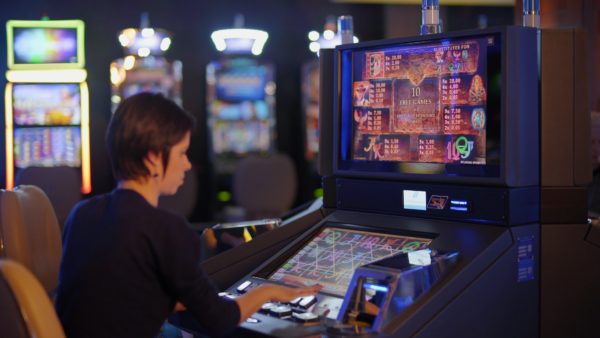
In live dealer games, you must interpret micro-expressions and hand movements as they happen. A dealer who consistently pauses before revealing a card may signal internal hesitation, while rhythmic shuffling patterns can indicate a procedural deviation. Observe their eye contact: avoiding direct gaze after high-stakes outcomes often correlates with nervousness or procedural distraction. Timing deviations in chip handling or dealing speed are immediate red flags. These insights allow you to adjust bet timing or table selection mid-session, leveraging real-time human tells for marginal strategic advantage.
Reading dealer behavior in real time involves analyzing micro-expressions, procedural rhythm, and timing deviations to identify non-verbal cues that inform instant betting adjustments.
Managing Pace: Speed vs. Traditional Turn-Based Play
In live dealer settings, managing pace between speed and turn-based play directly shapes strategic execution. Speed rounds compress decision windows, forcing instinctive bets that reward pattern recognition but risk impulsive errors. Conversely, traditional turn-based flow allows methodical analysis of dealer actions and table history, enabling calculated positional play. Selecting the right tempo depends on your tolerance for real-time pressure versus deliberate calculation; a structured session alternates between fast hands to read momentum and slower rounds to correct strategy. This conscious pace-switching prevents emotional drift while maximizing situational advantage against the dealer’s fixed rhythm.
Security and Fairness Protocols
In a live dealer casino, real-time game integrity is maintained through high-definition camera feeds and automated dealer monitoring, ensuring every card shuffle and roulette spin is captured without cuts. You can watch the exact same stream the software uses, so there’s no possibility of rigged outcomes. Additionally, random number generation is irrelevant here because physical cards and wheels determine results, not code. Game logs are stored for verification, letting you review your hand history or bet sequence if a dispute arises. This setup creates a transparent environment where the house can’t secretly alter gameplay, giving you the same visual proof as if you were standing at a brick-and-mortar table.
Random Number Generators vs. Physical Randomness
In live dealer casinos, certified Random Number Generators handle digital elements like card shuffles or roulette wheel spins, while physical randomness arises from actual human croupiers handling real felt, chips, and cards. The key distinction lies in verifiability: RNGs rely on complex algorithms audited for statistical fairness, whereas physical actions introduce inherent, observable unpredictability from human touch and equipment variance. This dual-layer system means you can trust the digital side for consistent odds, yet still engage with the raw, analog randomness of a dealer’s flip. Players should scrutinize that a live stream’s RNG-driven outcomes (e.g., virtual bonus wheels) remain independent from the physical table’s natural randomness.
- RNGs prevent pattern exploitation on automated game elements, while physical randomness creates visible, organic game flow.
- Physical randomness includes dealer speed and card handling quirks that no algorithm can simulate exactly.
- Hybrid tables often use RNGs for side bets, keeping main play rooted in physical deck limitations.
Regulatory Oversight of Streaming Tables

To ensure fair play, streaming tables operate under stringent real-time regulatory oversight. Independent monitoring bodies audit video feeds to verify dealer actions and correct card synchronization. This oversight prevents unauthorized table adjustments and data tampering. Players benefit from transparent accountability, as game logs are cross-referenced against surveillance footage.
- Continuous video verification checks dealer compliance with preset shuffle rules.
- Live packet sniffing ensures no latency manipulation occurs on your stream.
- Random number generators are crosschecked against physical card outcomes.
- Oversight systems automatically flag any deviation in table communication logs.
Third-Party Audits and Certification Seals
Independent auditors like eCOGRA or iTech Labs rigorously test live dealer games to verify that card shuffles and roulette spins are genuinely random. Certification seals on the casino’s homepage act as a quick visual cue that these tests are current. Before playing, you can often click the seal to view the latest compliance certificate. These marks validate that the live stream isn’t manipulated, protecting your stake. Always check for verified RNG (Random Number Generator) certifications to ensure the dealer’s actions are provably fair.
Third-party audits and certification seals are your concrete proof that live dealer games operate with genuine randomness and strict oversight.
Maximizing the Immersive Experience
To maximize the immersive Slotsofvegas no deposit bonus codes experience in a live dealer casino, prioritize a stable, high-speed internet connection to prevent buffering during crucial hands. Position yourself close to the screen and use headphones to isolate the dealer’s voice and ambient table sounds. Actively engage with the chat function to interact with the dealer and other players, which reinforces the social atmosphere of a physical venue. A key technique is selecting games with multiple camera angles, allowing you to switch views for closer looks at the cards or wheel. Q: How can I feel more present? A: Choose a game with a dedicated dealer who acknowledges your chat messages and handles the equipment in real-time, as this direct interaction bridges the gap between digital and physical play.
Optimal Internet Requirements
For a flawless live dealer casino session, low-latency fiber broadband is the baseline, as real-time video streaming demands stable upload speeds above 5 Mbps to avoid dealer-side lag. A wired Ethernet connection eliminates packet loss that Wi-Fi interference causes, while a ping rate under 30ms ensures your bets register synchronously with the game feed. Dedicated bandwidth of at least 10 Mbps prevents buffering during high-definition feeds, and a connection without usage caps avoids throttling during long sessions. Any fluctuation below these thresholds disrupts the immersive illusion of a physical table.
Ergonomic Setup for Extended Sessions
An extended ergonomic casino session begins with your physical foundation. Position your chair so your feet rest flat, knees at a 90-degree angle, and your monitor’s top edge aligns with eye level. This maintains neck neutrality and prevents slouching during crucial bet placement. Use a dedicated table arm or adjustable tray to keep your keyboard and mouse at the same height as your elbows, which reduces shoulder strain. Your core should feel passive while your eyes remain roughly an arm’s length from the screen.
- Adjust chair lumbar support to maintain your lower back curve.
- Lower your chair if your wrists angle up to reach the mouse.
- Reduce overhead lighting to minimize glare on the dealer stream’s camera.
- Keep a footrest handy if your chair forces your legs to dangle.
Using Side Bets and Special Features Wisely
Side bets and special features in live dealer games, like Perfect Pairs or 21+3 in blackjack, can heighten your engagement when used as occasional enhancements rather than your core strategy. To maximize immersion, selectively activate these features to break monotony or target potential high-reward moments, but always manage your bankroll for side bet risks, as their higher house edge can erode funds quickly. Treat them as a spontaneous thrill, not a path to consistent profit. For example, a modest side bet after a winning hand adds cinematic tension without derailing your main gameplay. Q: How do I avoid overspending on side bets? A: Allocate a strict, separate budget for these features—perhaps 5% of your session bankroll—and never chase losses with them.
Cross-Platform Accessibility
Cross-platform accessibility in live dealer casinos ensures that the streaming interface, chat controls, and betting panels render identically whether you join via a desktop browser, iOS app, or Android tablet. This requires adaptive bitrate streaming to prevent lag on mobile networks and touch-optimized bet placement that mirrors click functionality. For a seamless transition between devices, the system must maintain your session state—current hand, chip stack, and chat history—without requiring re-login.
Always test the table lobby on a secondary device before real play; if the dealer’s video feed stutters or chip denominations resize poorly, the platform’s cross-platform build is incomplete.
Ensure the game client supports WebRTC for low-latency video across all operating systems, and verify that landscape orientation on phones doesn’t obscure the live feed or player statistics.
Seamless Transition Between Desktop and Tablet
In a live dealer casino, seamless cross-device gameplay ensures your blackjack or roulette session flows without disruption when switching from a desktop to a tablet. The betting interface, video stream, and chat function synchronize instantly, so you never lose your seat or bet history. Touch controls on a tablet mirror desktop clicks, enabling effortless chip placement. Q: Does my game progress save when moving from desktop to tablet? A: Yes, your hand, wager, and dealer interaction remain active, allowing you to pick up play directly from any room in your home without reloading the stream.
Browser-Based Play Without Downloads
Browser-based play eliminates the need for software installation, letting you access live dealer tables instantly from any modern browser. This technology uses HTML5 to stream real-time games directly, ensuring seamless cross-platform compatibility across desktops, tablets, and smartphones without sacrificing video quality or latency. You avoid storage issues and device restrictions, jumping straight into the action with a single click. The experience is identical to a downloaded client, but with greater flexibility and reduced loading times, making spontaneous gaming effortless.
- Direct instant-play access via URL, no downloads or updates required
- Full feature parity including live chat, camera views, and betting controls
- Automatic optimization for any screen size without manual settings
- Secure session-based technology ensuring no residual data on shared devices
Smart TV Options for a Big Screen Feel
For a truly immersive live dealer experience, big screen smart TV options transform your gameplay. By casting or using a native app on a 55-inch or larger display, every card shuffle and roulette spin feels cinematic. Ensure your TV supports low-latency mode to keep the dealer’s actions in sync with your screen. Most modern models let you mirror your phone or tablet wirelessly, so you can place bets from the comfort of your sofa without losing that crisp, high-definition view of the real-time action.
Understanding Edge and House Advantage
In live dealer games, the house advantage is a fixed mathematical edge built into the rules, not a product of dealer skill or stream manipulation. For live roulette, this edge remains 2.7% (single-zero) or 5.26% (double-zero), identical to its RNG counterpart, because the payout structure is unchanged. In live blackjack, the house edge can drop below 0.5% with perfect basic strategy, yet most players forfeit this by making poor insurance bets or deviating from optimal play. Understanding this edge is your only lever. Q: Can you “beat” the live dealer’s house advantage? A: No—you can only reduce its impact by choosing games with lower built-in edges (e.g., baccarat’s Banker bet at 1.06%) and avoiding side bets that amplify it. Always verify the specific table rules, as a “no peek” blackjack rule or a “la partage” roulette rule directly alters your theoretical loss rate.
Comparing Return-to-Player Across Game Types
In live dealer casinos, comparing Return-to-Player across game types reveals stark strategic differences. Blackjack typically offers a high RTP exceeding 99% with basic strategy, while roulette’s RTP hovers around 97.3% for European wheels and 94.7% for American wheels. Baccarat banker bets yield approximately 98.94%, whereas live game shows like Dream Catcher often dip below 96%. Slot-style live games frequently conceal lower RTP behind visual appeal, demanding closer scrutiny of paytables. A key question: Q: Which live dealer game type offers the best RTP for a disciplined player? A: Blackjack, when played with perfect strategy, typically delivers the highest RTP among live options, often exceeding 99.5%.
How Dealer Training Affects Outcomes
Intensive dealer training directly mitigates the house edge by enforcing strict procedural discipline, such as standardized shuffle techniques and chip-handling precision. This eliminates costly player-perceived errors and ensures every hand resolves at the mathematically designed payout rate. A poorly trained dealer might flash a card or mishandle a cut, shifting probability in a player’s favor. Conversely, mastering human error reduction in live streams preserves the casino’s long-term advantage, making each round predictable for the operator while appearing random to the user. Your winning odds remain fixed to the game’s built-in math, not a dealer’s momentary lapse.
Dealer training ensures the house advantage stays consistent by preventing variable human mistakes from skewing game mathematics.
Pitfalls of Auto-Features and Fast Play Rounds
Auto-features and fast play rounds in live dealer casinos can mask the true pace of losses, accelerating gameplay beyond what normal dealer interaction allows. The reduced decision time often leads to reactive bets rather than measured wagers, increasing the frequency of house advantage application per minute. Players may also miss critical card details or wheel results when rounds skip standard intervals, eroding the ability to adjust strategy. This speed directly inflates turnover, making bankroll depletion feel faster while the hidden cost of accelerated action remains invisible. Without deliberate pauses, the house edge compounds more quickly than in standard-speed play.

The Future of Remote Table Gaming
The future of remote table gaming in live dealer casinos is about shrinking the distance between your sofa and the felt. Expect seamless multi-angle 4K streams that let you glance around the table like you’re really there. Social features will get a boost, with persistent chat profiles and player-to-player side bets directly on the digital layout. Haptic feedback in your device will simulate the feeling of chip stacks and card edges during key moments. Games will adapt to your speed, letting you linger during decisions or turbo through action. The core shift is from watching a broadcast to feeling like you’re controlling a table from your living room, with fewer lags and more tactile, personal interaction.
Augmented Reality Enhancements on the Horizon
Imagine peering at your physical table and seeing dealer cards hovering in 3D above the felt. Mixed reality table overlays are on the horizon, letting you manipulate virtual chips with hand gestures while the live dealer reacts to your real-time moves. Soon, a simple glance will reveal hidden poker odds projected onto the community cards. Dynamic AR halo effects will illuminate winning hands instantly, eliminating payout confusion. Your coffee table transforms into a multi-angle gaming surface, where you can rotate dice mid-air before they land on the dealer’s physical cup. This seamless blend of physical touch and digital precision redefines live action.
Expanding Language and Accent Diversity
Expanding language and accent diversity in live dealer casinos directly enhances player immersion and comprehension. Tables now feature dealers fluent in Mandarin, Arabic, and Hindi, moving beyond standard English to reduce miscommunication during rapid gameplay. Regional accent matching further refines this, allowing players to select dealers whose native dialect aligns with their own, minimizing confusion over number calls or card announcements. This practical shift ensures that non-native English speakers experience seamless interaction without relying on intermediaries, fostering a more authentic and accessible gaming environment where linguistic barriers are systematically dismantled.
Integration with Loyalty Programs and Tournaments
Integration with loyalty programs and tournaments transforms live dealer play by syncing real-time wagers with point-based reward tiers, where every hand or spin directly fuels ranking progress. A player’s tournament standing updates instantly on their interface, unlocking exclusive tables or cash bonuses as they climb leaderboards. This seamless data loop between game client and loyalty engine encourages sustained participation without manual entry of promo codes. Such gamified player retention effectively replaces generic deposit bonuses with dynamic competition, deepening engagement through immediate, skill-linked rewards.