
Unlock Instant Global Connectivity With The Best ESIM Card
Imagine landing in a new country and instantly having mobile data without scrambling for a local SIM card. That’s the convenience of an eSIM card, a tiny digital chip built right into your phone that lets you activate a cellular plan without inserting a physical card. You simply scan a QR code or download a plan from your carrier, and your device is ready to connect to local networks seamlessly.
What Makes Embedded SIM Technology Different
Unlike a traditional SIM card that is a removable plastic chip, an eSIM card is a permanently soldered chip inside your device. This fundamental design shift means you never need to physically swap cards to change carriers. Instead, you download a digital profile remotely, switching providers or plans in minutes via a settings menu. This embedded technology eliminates the need for a SIM tray, freeing up internal space for larger batteries or slimmer designs. It also greatly enhances durability, as there is no fragile slot or insertable card that can get lost or damaged. For users, this translates to effortless, instantaneous carrier switching without waiting for a physical card in the mail.
How a Digital SIM Works Without a Physical Chip
An eSIM ditches the plastic card entirely. Instead, your phone has a tiny, soldered chip that writes and stores your mobile profile digitally. When you activate a plan, you download a secure file (the eSIM profile) directly onto that chip. Your device then uses this software-based identity to connect to the network, just like a physical SIM would, but without needing to slide anything in. This makes switching carriers as simple as scanning a QR code or tapping through an app. It’s all handled by the phone’s firmware, making the process entirely digital SIM activation seamless.
Key Distinctions Between Traditional SIM Cards and eSIM
A key distinction between traditional SIM cards and eSIM is their physical form factor. A traditional SIM is a removable plastic chip requiring insertion or swapping to change carriers, whereas an eSIM is a soldered, non-removable chip. This allows for remote carrier profile provisioning, letting users activate a new plan without handling a physical card. For users, this means eliminating the risk of losing a tiny SIM and enabling dual-SIM functionality without needing a second slot. If you travel, switching networks is instant via a QR code or app, not a trip to a store.
How does switching mobile plans differ between a traditional SIM and an eSIM? With a traditional SIM, you must physically remove the card and insert a new one from a different carrier. An eSIM allows you to switch plans via software settings, downloading a new profile directly to the device.
The Role of Remote Provisioning in Modern Connectivity
Remote provisioning is the core mechanism that allows an embedded SIM to be activated and managed without physical access. Instead of swapping a plastic card, a user receives a downloadable profile over the air, which is securely written to the eSIM chip. This process enables instant activation of a new carrier plan, seamless switching between networks while traveling, and the ability to store multiple operator profiles on a single device. Crucially, remote provisioning eliminates logistical delays associated with manufacturing and shipping physical SIMs, making connectivity a practical, software-driven action for any device.
Top Reasons to Switch to a Built-In SIM Solution

The moment you fumble for a SIM tray at the airport gate, you realize how fragile a physical card is. Switching to a built-in eSIM card means never losing a tiny chip again. You activate a new plan from the couch instead of hunting a store. Dirt and water stains no longer threaten your connection. When you cross a border, you simply tap a profile onto your phone—no swapping, no pins. That eSIM solution keeps a spare lifeline for local data while your primary line remains live. A pop-up menu replaces the paperclip shuffle, and your phone stays sealed against the elements.
Traveling Without Swapping Plastic Cards
Traveling without swapping plastic cards means arriving in a new country and instantly activating a local data plan via an eSIM, eliminating the need to hunt for a physical SIM vendor. You avoid carrying a tiny, easily lost card or needing a tool to eject the tray. This directly prevents the risk of damaging your phone’s SIM slot from frequent changes. For frequent flyers, this seamless international connectivity transforms layovers from frustrating errands into productive pauses. You simply scan a QR code or use an app to switch profiles—no physical card swap required.
Q: How do I keep my home number active if I don’t swap plastic cards?
A: With a dual-SIM eSIM phone, your home number stays active on one eSIM profile while you add a local data eSIM on the other, avoiding any physical card removal.
Enhanced Security and Anti-Tampering Features
A built-in eSIM card delivers enhanced tamper resistance by eliminating the physical SIM slot, a common attack vector for card swapping and unauthorized access. Unlike removable SIMs, the eSIM is soldered directly to the device’s motherboard, making physical extraction or replacement impossible without specialized equipment. This design also prevents SIM cloning via direct card contact, as the eSIM’s identity data is securely stored in a dedicated, isolated hardware component. Remote provisioning further strengthens security by allowing users to lock or wipe the eSIM profile instantly if the device is lost or stolen, without needing to deactivate a physical card.
By removing the physical interface and integrating secure remote management, embedded eSIMs eliminate swap-based attacks, cloning risks, and unauthorized physical access to subscriber credentials.
Managing Multiple Profiles on One Device
Managing multiple profiles on one device via eSIM eliminates the need to physically swap SIM cards. Users can store several operator profiles simultaneously and switch between them in settings, crucial for separating work and personal lines. Each profile is independently provisioned and can be toggled on or off without removing others. This allows seamless profile switching for travel or cost optimization, as you simply select the active data plan. Storage capacity varies by device, but basic operations remain controlled entirely through the phone’s network menu.
Managing multiple profiles on one device lets you store and instantly switch between several operator plans without swapping physical cards, keeping all lines accessible from a single interface.
Devices and Networks That Support This Chip-Based Alternative
In a bustling coworking space, Maria’s Google Pixel 8a connects to a German 5G network through its built-in eSIM—no plastic card needed. Her phone supports up to two eSIM profiles simultaneously, swapping between a local Vodafone data plan and her home T-Mobile line for calls. A traveler beside her uses a Samsung Galaxy S24, which activates an Airalo eSIM for Japanese networks instantly via a QR code. Conversely, older devices like the iPhone XR rely on a single eSIM slot, requiring a physical nano-SIM as backup. Question: Do all eSIMs work on any phone? Answer: No—carrier profiles must match the phone’s eSIM firmware, like Apple’s eSIM-only iPhones requiring specific iOS versions. At a café in Berlin, Maria’s network switches seamlessly from Vodafone to O2’s towers as she moves—the eSIM’s digital profile managing frequencies and authentication without a swap.
Smartphones, Tablets, and Smartwatches With eSIM Capability
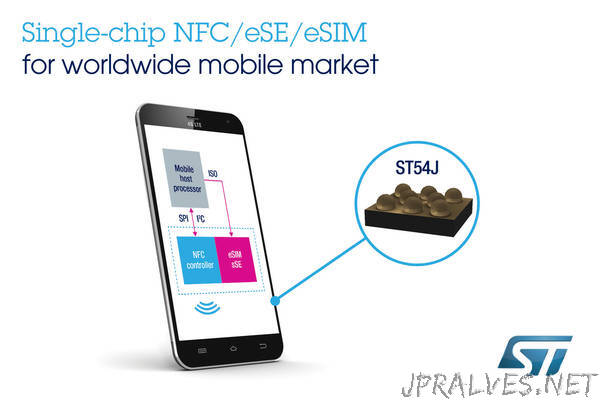
Smartphones, tablets, and smartwatches with eSIM capability let you activate a cellular plan without fumbling with a physical SIM tray. On your phone, you can store multiple carrier profiles and switch between UK eSIM them in settings, which is great for travel. For tablets, an eSIM adds constant data connectivity even when your phone isn’t nearby. Smartwatches with eSIM chip integration allow you to make calls, stream music, and get notifications independently from your phone, so you can leave the handset behind on a run.
- Most modern flagship phones and mid-range models now include an eSIM alongside a physical slot.
- Tablets like iPads and Samsung Galaxy Tabs use eSIM to connect to cellular data without a visible card.
- Popular smartwatches, including the Apple Watch and Galaxy Watch, need an eSIM for standalone LTE use.
Laptops and IoT Gadgets Embracing Integrated Connectivity
Laptops and IoT gadgets now leverage integrated eSIMs to eliminate the need for physical SIM slots, enabling seamless connectivity across cellular, Wi-Fi, and LPWAN networks. This shift allows laptops to remain online via 5G without hotspots, while IoT sensors—like smart meters or fleet trackers—auto-provision profiles for global roaming. Users gain unified device management over multiple gadgets from a single dashboard, simplifying activation and carrier switching. Q: Can a laptop with an eSIM connect to both a home network and a cellular plan simultaneously? A: Yes, integrated eSIMs support dual connectivity, allowing laptops to maintain stable IoT data streams on cellular while offloading bulk transfers to Wi-Fi, boosting reliability without manual intervention.
Carrier Compatibility Across Global Markets
Global carrier compatibility is the linchpin of eSIM utility, as a single device must negotiate diverse network standards from Tokyo to Toronto. A smartphone sold in France seamlessly connects to a Japanese carrier’s profile, provided it supports the same frequency bands. Travelers often discover that a U.S.-bound eSIM plan works flawlessly on a German phone, but a Chinese device might lack the VoLTE codec for certain European networks. Global carrier profiles in the device’s firmware update automatically to bridge these gaps. Q: Can I use any eSIM plan on any unlocked phone worldwide? A: No—always verify that your handset’s modem supports the destination carrier’s 4G/5G bands and that the eSIM profile is regionally authorized by the provider.
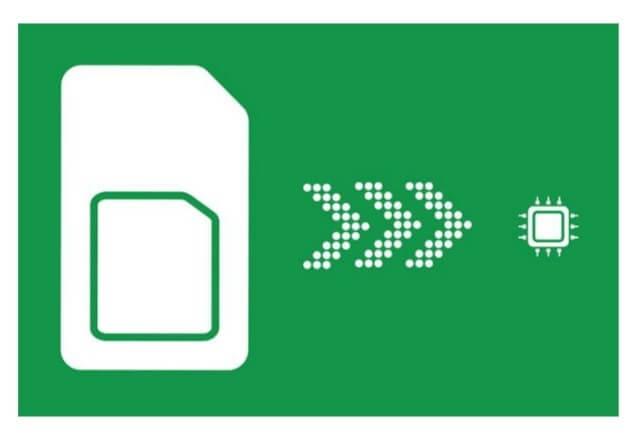
Activating a Digital Profile Step by Step
To activate an eSIM digital profile, first ensure your device is unlocked and connected to Wi-Fi. Navigate to your device’s cellular settings and select “Add Cellular Plan.” Scan the QR code provided by your carrier or manually enter the SM-DP+ address and activation code. Verify the profile’s IMSI matches your order confirmation to avoid provisioning errors. Once installed, label the profile (e.g., “Work” or “Travel”) and set your preferred default line for voice and data. Always reboot your device after installation to finalize network registration. Delaying the reboot can cause intermittent connectivity as the profile’s provisioning completes in the background. Confirm activation by toggling airplane mode and testing data.
Scanning a QR Code or Using an App for Setup
Once your carrier issues the eSIM, you typically scan a provided QR code within your phone’s settings menu. Alternatively, a dedicated carrier app can automate setup by fetching your plan directly after login. Most modern devices allow you to store multiple eSIMs, switching data lines without re-scanning. Q: Can I reuse the same QR code for two phones? No, each QR code is single-use; scanning it deactivates the underlying token, requiring a new code for a second device.
Downloading Operator Data Directly to Your Device
For immediate activation, direct operator data downloads eliminate the need for a physical SIM. After scanning the QR code provided by your carrier, the necessary profile is fetched and installed over Wi-Fi or cellular data. This automated process writes the operator’s credentials directly to the eSIM chip, enabling service in under two minutes. Unlike manual entry, this method ensures zero configuration errors, instantly linking your device to the network.
Switching Between Plans Without Visiting a Store
Switching between plans without visiting a store is a core advantage of eSIM technology. Users can instantly change their data or voice plan by selecting a new profile from their device’s mobile network settings, provided they have an active internet connection. This process requires no physical SIM card swap; instead, seamless eSIM plan switching is achieved by simply downloading and activating a new eSIM profile from your provider’s app or website. Most devices support storing multiple profiles, allowing you to toggle between a local data plan and a domestic plan on the same handset without any store visit.
| Switching Method | Store Visit Required | Time to Activate |
|---|---|---|
| Physical SIM swap | Yes | In-store wait |
| eSIM profile change | No | Under 2 minutes |
Comparing Costs and Convenience of This Virtual Approach
The virtual approach of an eSIM removes physical card manufacturing and shipping costs, often making data plans cheaper than traditional SIMs for travelers. Convenience is paramount, as you can purchase, install, and switch between international plans instantly from your phone without visiting a store. Q: Does this lower convenience? A: No, it increases it; you avoid swapping physical cards and can compare and activate multiple local plans from one carrier on a single device, saving both time and money. This direct digital purchase and activation process is inherently faster and more flexible than hunting for a physical SIM.
Upfront Fees Versus Long-Term Savings on Roaming
The initial cost of an eSIM data plan might seem steep compared to a local SIM, but that upfront fee buys freedom from carrier gouging. You pay once for a curated pool of data, avoiding the hidden markups of standard roaming. The savings compound over trips; purchasing a 30-day global plan for a fixed price eliminates the shock of per-megabyte charges. For frequent travelers, long-term roaming savings become obvious after just two trips. Follow this sequence to maximize value:
- Calculate your average roaming spend over your last three trips.
- Select a single eSIM data package that covers those total days.
- Divide the eSIM price by your old roaming cost to see the real return.
No Need for Physical Inventory or Shipping Overhead
Eliminating physical inventory means no warehousing costs or stock management for eSIM providers, directly reducing overhead. Users avoid shipping fees, delays, and packaging waste, as activation happens digitally. This virtual approach zeroes out logistics for instant connectivity access, unlike physical SIMs requiring distribution chains.
- No shipment tracking or lost package risks
- Zero storage space or expiration concerns for unused stock
- Immediate procurement without waiting for delivery
- No return logistics or disposal costs for unsold SIMs
Flexibility in Choosing Short-Term or Permanent Plans
eSIMs let you toggle between a 7-day travel pass and a 12-month data plan instantly, offering complete flexibility in choosing short-term or permanent plans without physical swaps. You can load a temporary eSIM for a weekend trip and later switch to a local annual provider for residency, all within the same phone settings. This adaptability means you’re never locked into a contract you don’t need, as plans can be deleted or topped up on demand. The choice itself is frictionless—no waiting for SIM cards or canceling lengthy subscriptions—giving you total control over connectivity length and budget.
| Short-Term Use | Permanent Use |
|---|---|
| Daily or weekly tourist passes | Monthly or annual local plans |
| Quick activation for one event | Steady data without switching |
| No commitment beyond usage window | Same provider continuity |
Troubleshooting Common Hiccups With Digital Subscriber Identity
When troubleshooting common hiccups with Digital Subscriber Identity on your eSIM card, the primary fix is often a simple profile re-download. A sudden “No Service” error usually means the eSIM profile’s authentication keys desynchronized. First, toggle Airplane Mode for 30 seconds to force a network re-handshake. If that fails, scan your original QR code again to reinstall the profile, which resets the digital identity. A persistent “Invalid SIM” alert indicates the profile lock is corrupted; delete it completely and re-add using your carrier’s app.
Never manually delete a stuck eSIM profile without first having the original activation code ready, as you lose the subscriber identity without a fallback.
For dual-SIM conflicts, temporarily disable your physical SIM to isolate which identity is failing to register on the network.
What to Do When Profile Activation Fails
When profile activation fails, first verify your device’s eSIM compatibility by checking the IMEI or scanning the QR code again from a stable network. Force a re-download by deleting the stalled profile under cellular settings and re-scanning the activation code provided by your carrier. Restart your phone to refresh the radio and let the system register the new line. If the error persists, manually enter the SM-DP+ address and confirmation code from your provider instead of relying on the QR scan. A quick toggle of airplane mode often triggers a successful handshake between the profile server and your device.
Resolving Network Registration Errors
When your eSIM won’t register on the network, start by toggling Airplane Mode on for 30 seconds to force a fresh connection. If that fails, manually select your carrier in your device’s mobile network settings rather than relying on automatic registration. You can also try deleting and re-downloading your eSIM profile from your provider’s app or email. For persistent issues, check if your device is carrier-unlocked or if the eSIM is tied to the correct IMEI. A quick reboot often resolves temporary glitches. The key to fixing network registration errors is patience—give each step a minute to take effect.
Backup Options If You Lose Access to Your eSIM
When you cannot access your eSIM, your primary backup is the original QR code or activation details provided by your carrier. Safely store a printed copy or screenshot in a secure, offline location like a password manager. If you saved the eSIM on your device, use your phone’s built-in “Transfer” or “Backup” feature to re-download the profile via your account settings. Some carriers allow you to generate a fresh QR code from their web portal if you’ve verified your identity—keep login credentials handy. Always maintain a physical SIM as an emergency fallback.
Backup your eSIM activation QR code offline and know your carrier’s re-download procedure to regain access fast.
Future Trends Shaping Phone Line Alternatives
The future of phone line alternatives will see eSIM cards enabling seamless, instantaneous carrier switching directly from device settings, eliminating physical SIM swaps. This trend supports the rise of multi-network aggregators, where a single eSIM profile can simultaneously hold multiple active carrier plans. A key practical evolution is the integration of eSIM provisioning into device firmware for remote, AI-driven network selection based on real-time performance.
Expect eSIMs to serve as the foundational layer for “Zero-Touch” connectivity, automatically activating the best available network as you cross borders without manual intervention.
This allows users to treat phone lines as disposable, data-centric services, optimizing for coverage or cost on the fly.
Multi-Device Synchronization Without Extra Hardware
Multi-device synchronization without extra hardware pivots on the eSIM’s remote provisioning capability. Instead of physically swapping a chip, users download a single profile to a primary device, then leverage cloud-based authentication to activate the same number on paired tablets, laptops, or smartwatches. The sequence is typically:
- Register the primary eSIM with the carrier.
- Use the carrier app to generate a secure, time-limited QR code or activation token.
- Scan that code on secondary devices to clone connectivity.
This eliminates dongles or SIM trays, enabling seamless call handoff and unified data pooling across devices through a centralized digital subscription anchor.
Integration With 5G and Beyond for Seamless Roaming
Integration with 5G and beyond lets your eSIM automatically latch onto the fastest local network the moment you land, killing the old hunt for a local SIM. This tech handles handoffs between carriers and frequencies without you lifting a finger, so video calls won’t drop while you’re crossing borders. Seamless roaming across networks becomes standard, not a perk, with low-latency 5G slicing keeping your connection steady even in crowded airports. You don’t even have to toggle airplane mode anymore—it just works.
- Auto-switches between 5G, 6G, and LTE carriers to avoid dead zones
- Pre-connects to partner networks before you exit the plane
- Balances data across multiple eSIM profiles for lag-free calls

Potential for a Truly SIM-Less World
A truly SIM-less world hinges on the eSIM’s evolution, where the physical chip is entirely obsolete. This shifts connectivity to a pure software profile, embedded directly into a device’s motherboard during manufacturing. The potential unlocks instant activation without waiting for a plastic SIM, and on-the-fly carrier switching without hardware swaps. A traveler could seamlessly toggle between profiles before landing, while a broken phone is no longer a connectivity crisis, as your eSIM identity transfers via cloud recovery. The device itself becomes the only token, eliminating SIM-card theft and slot failures.
| Physical SIM Era | Truly SIM-Less Potential |
|---|---|
| Requires physical card insertion | Zero hardware dependency; profile installed at factory |
| Swapping carriers needs a new card | Instant digital carrier change via device settings |
| Lost phone loses your line | Profile can be remotely reconstituted on a new handset |
What Exactly Is an Embedded SIM and How Is It Different?
The core definition: A digital SIM that lives inside your device
Physical SIM vs. digital profile: Key differences in size, switching, and security
Which devices support this technology: Smartphones, tablets, laptops, and wearables
How Does a Digital SIM Actually Work During Daily Use?
Activation without a plastic card: Scanning a QR code or using an app
Storing multiple profiles: Switching between carriers without swapping slots
How data is routed through the embedded chip
What Practical Benefits Does Switching to This Technology Offer?
